
What Contractors Need to Know
Construction projects in Western North Carolina face distinct waste management requirements that differ from those in other regions. The mountainous terrain, state regulations, and environmental considerations create specific challenges for contractors working in Waynesville, Maggie Valley, Canton, and surrounding communities.
Understanding these requirements before beginning a project prevents delays, reduces costs, and ensures compliance with North Carolina waste disposal laws. Contractors who plan waste management strategies early typically complete projects more efficiently and avoid common pitfalls that affect mountain construction work.
North Carolina Construction Waste Regulations
The North Carolina Department of Environmental Quality establishes specific requirements for construction and demolition debris disposal. These regulations apply to all construction projects regardless of size or location, with additional considerations for environmentally sensitive areas near the Great Smoky Mountains National Park.
Hazardous materials require special handling procedures. Asbestos, lead-based paint, treated lumber, and certain insulation materials cannot be disposed of through standard construction waste channels. Many older properties in the Western North Carolina region contain these materials, particularly homes built before 1980.
Contractors must separate certain waste types before disposal. Mixed loads cost more to process and limit recycling options. The state requires documentation for hazardous waste disposal and maintains records of construction debris disposal sites.
Violations result in fines ranging from several hundred to several thousand dollars, depending on the type and quantity of improperly disposed materials. Regular inspections occur throughout Haywood County and surrounding areas, with increased enforcement in recent years.
Mountain Region Challenges
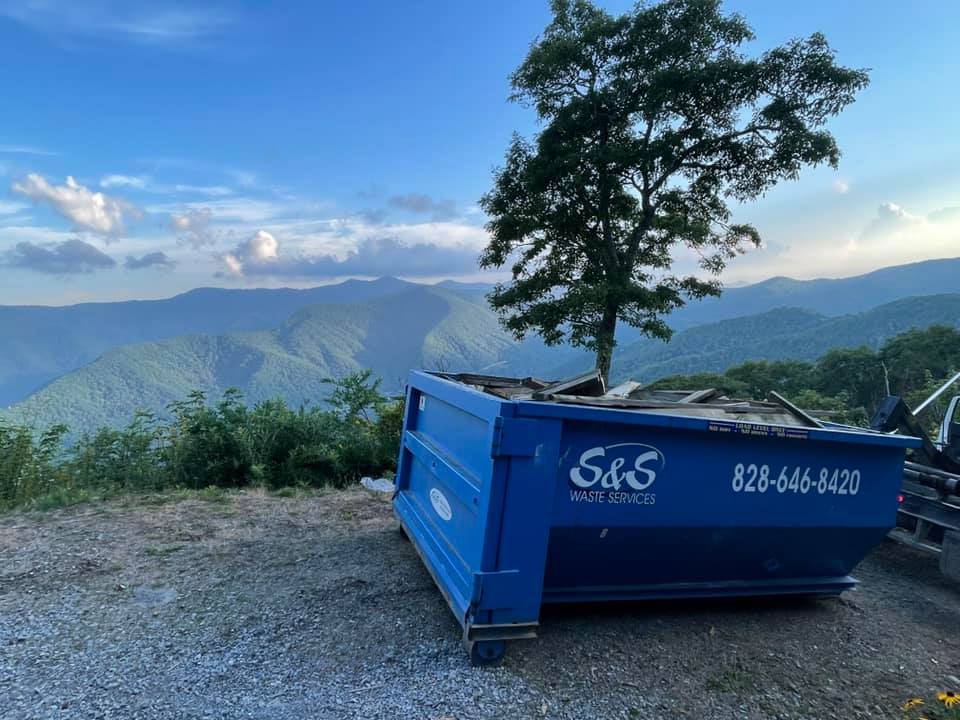
Western North Carolina construction sites present access difficulties that urban contractors rarely encounter. Many properties feature steep driveways, narrow roads, and limited turnaround space for waste removal vehicles. Standard waste removal trucks cannot safely navigate these conditions, requiring alternative approaches.
Seasonal factors affect waste removal schedules. Tourist season increases traffic on mountain roads, extending travel times for waste haulers. Winter weather can make certain properties inaccessible for days or weeks. Spring storms frequently wash out access roads or create muddy conditions that prevent truck access.
Distance to disposal facilities increases costs and affects scheduling. Most construction waste from the Western North Carolina region travels significant distances to reach appropriate disposal or recycling facilities. This factor must be included in project budgets and timelines.
Weather patterns are unpredictable in mountain regions. Contractors must build flexibility into waste removal schedules to accommodate sudden storms, temperature changes, and seasonal access restrictions.
Construction Waste Categories
Different waste materials require specific disposal methods. Understanding these categories helps contractors plan appropriate disposal strategies and control costs.
Concrete and Masonry. Clean concrete, brick, and stone can often be recycled or used as fill material. Many facilities accept these materials at reduced rates compared to mixed construction debris. Concrete contaminated with other materials requires standard disposal methods.
Wood Materials. Untreated lumber can be recycled or repurposed in many cases. Treated lumber, plywood, and engineered wood products typically require standard disposal. Older treated lumber may contain arsenic or other preservatives that necessitate hazardous waste procedures.
Metal Components. Copper, steel, aluminum, and other metals have recycling value. Separating metals from other waste materials reduces disposal costs and may generate small revenue streams. Most recycling facilities accept clean metal materials.
Drywall and Insulation. New, clean drywall can sometimes be recycled. Contaminated or wet drywall requires standard disposal. Insulation materials vary in disposal requirements depending on age and composition.
Mixed Debris. General construction waste that cannot be separated into specific categories typically costs more to dispose of, but accepts the widest variety of materials.
Waste Management Planning
Effective waste management begins during the project planning phase. Site assessment determines access capabilities for waste removal vehicles and identifies potential scheduling constraints.
Contractors should evaluate road conditions, driveway grades, overhead clearances, and turnaround space before selecting waste container sizes or scheduling pickup services. Properties with limited access may require smaller containers or alternative removal methods.
Timeline planning must account for seasonal factors. Projects near the Blue Ridge Parkway during the fall foliage season face traffic delays. Winter projects require flexible scheduling for weather-related access issues. Spring projects may encounter storm-related delays.
Budget planning should include waste management costs from the initial estimate. Treating waste disposal as an afterthought often results in cost overruns and project delays. Accurate budgeting requires understanding local disposal rates, hauling distances, and access challenges.
Permit requirements vary by location and waste type. Some materials require special permits or documentation. Contractors should verify permit requirements with local authorities before beginning work.
Local Waste Management Considerations
Working with waste management companies familiar with Western North Carolina construction challenges provides several advantages. Local companies understand regional access issues, seasonal constraints, and regulatory requirements specific to mountain construction.
Experience with mountain properties matters significantly. Companies that regularly service the region know which routes work for different property types and can suggest solutions for access challenges. They understand seasonal traffic patterns and can schedule services accordingly.
Flexible scheduling capabilities help contractors manage weather-related delays and access issues. Companies that can adjust pickup schedules based on road conditions or weather forecasts prevent waste accumulation problems.
Equipment variety allows for customized solutions. Some properties require smaller vehicles or specialized equipment to navigate access challenges. Local companies typically maintain diverse vehicle fleets to serve different property types.
Cost Control Strategies
Several approaches help contractors control waste management costs in mountain construction projects. Material separation on-site reduces disposal costs and creates recycling opportunities. Setting up separate containers for different waste types prevents mixed load charges.
Timely waste removal services can reduce costs. Scheduling pickups during off-peak periods or combining multiple small loads into larger pickups reduces per-load expenses. This approach works particularly well for projects in remote locations with high hauling costs.
Building relationships with local recycling facilities creates opportunities for revenue from waste materials. Clean metals, concrete, and certain other materials have value when appropriately separated. Some contractors offset disposal costs through recycling income.
Planning container sizes appropriately prevents overage charges while avoiding unnecessary multiple pickups. Understanding project waste volumes helps contractors select optimal container sizes and pickup schedules.
Environmental Responsibilities
Construction projects in the Western North Carolina region carry additional environmental obligations due to proximity to protected areas and sensitive ecosystems. Proper waste management protects local water sources, wildlife habitats, and air quality.
Material selection affects waste generation. Choosing materials with recycling value or longer lifespans reduces overall waste volumes. Planning material usage carefully minimizes waste generation throughout the construction process.
Disposal method selection impacts environmental outcomes. Recycling materials when possible reduces landfill usage and conserves natural resources. Choosing certified disposal facilities ensures materials are handled according to environmental standards.
Hazardous material handling requires special attention in environmentally sensitive areas. Proper procedures prevent contamination of soil, water sources, and air quality. Documentation ensures accountability and regulatory compliance.
Seasonal Planning
Mountain weather creates specific challenges for waste management scheduling. Spring storms can make roads impassable and create muddy conditions that prevent vehicle access. Planning significant debris removal during stable weather periods prevents delays.
Summer construction typically faces fewer weather-related access issues but encounters increased traffic from tourism. Scheduling waste removal during early morning hours or off-peak times reduces delays and costs.
Fall weather can change rapidly in mountain regions. Having covered storage areas for waste materials prevents weather-related disposal problems. Flexible scheduling accommodates sudden weather changes.
Winter construction requires careful attention to access conditions. Some properties become completely inaccessible during severe weather. Planning waste storage and removal around weather forecasts prevents project delays.
Regulatory Compliance
Staying current with changing regulations prevents violations and associated penalties. North Carolina waste disposal requirements are updated periodically, and contractors must understand current standards.
Documentation requirements vary by waste type and disposal facility. Maintaining proper records demonstrates compliance and provides protection against regulatory challenges. Some projects require specific documentation for permit compliance.
Training requirements ensure staff understand proper waste handling procedures. Regular training updates help contractors stay current with changing regulations and best practices.
Inspection readiness prevents surprises during regulatory visits. Maintaining clean, organized waste storage areas and proper documentation helps contractors pass inspections without issues.
Construction waste management in Western North Carolina requires understanding regional challenges, state regulations, and environmental responsibilities. Contractors who plan waste management strategies early, work with experienced local providers, and maintain regulatory compliance complete projects more efficiently and profitably.
Success requires balancing cost control with regulatory compliance while accommodating the unique challenges of mountain construction. Proper planning, appropriate partnerships, and attention to environmental responsibilities create the foundation for effective waste management in this region.
The investment in comprehensive waste management planning pays dividends through reduced costs, fewer delays, and regulatory compliance. Contractors who master these requirements gain competitive advantages in the Western North Carolina construction market.
Working with S&S Waste Service
S&S Waste Service understands the specific challenges contractors face in Western North Carolina. Our team has experience navigating mountain access issues, managing seasonal scheduling constraints, and ensuring compliance with state regulations throughout the region.
We provide flexible scheduling to accommodate weather delays and access limitations. Our vehicle fleet includes smaller trucks capable of navigating steep driveways and narrow mountain roads that larger waste companies cannot service safely.
For contractors working in Waynesville, Maggie Valley, Canton, Clyde, and surrounding communities, S&S Waste Service offers comprehensive waste management solutions tailored to mountain construction requirements. Contact us to discuss your project needs and develop a waste management strategy that keeps your construction schedule on track.
