
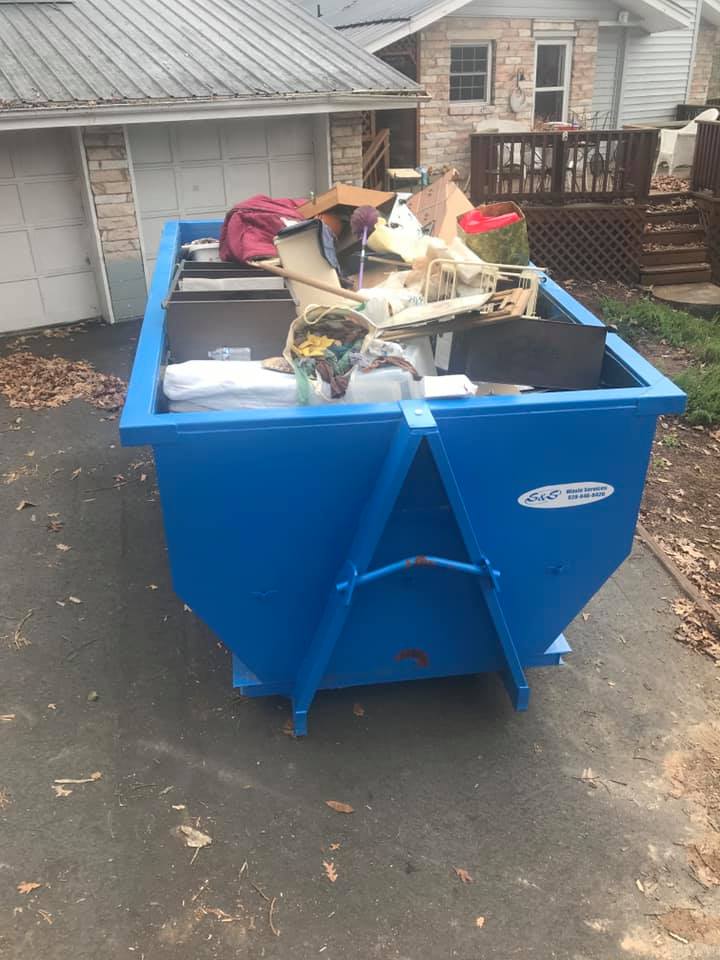
Selecting the wrong dumpster size is one of the most common and costly mistakes in waste management. Too small, and you’ll need a second rental or face overflow fees. Too large, and you’re paying for space you don’t need. This guide helps you choose the perfect size for your project the first time.
Understanding Dumpster Sizes
10-Yard Dumpster: Small Projects
- Best for: Garage cleanouts, small bathroom remodels, minor landscaping, attic cleanouts
- Holds approximately: 3-4 pickup truck loads
- Typical dimensions: 12′ long × 8′ wide × 3.5′ high
- Weight limit: 2-3 tons
- Perfect when: You’re doing a single-room project or clearing out one area of your home
12-Yard Dumpster: Medium Projects
- Best for: Kitchen remodels, carpet removal, small deck demolition, basement cleanouts, flooring replacement
- Holds approximately: 4-6 pickup truck loads
- Typical dimensions: 14′ long × 8′ wide × 4′ high
- Weight limit: 3-4 tons
- Perfect when: You’re tackling multiple rooms or a moderate renovation project
15-Yard Dumpster: Large Projects
- Best for: Whole-home cleanouts, large additions, major landscaping, roof replacements, estate cleanouts
- Holds approximately: 6-9 pickup truck loads
- Typical dimensions: 16′ long × 8′ wide × 4.5′ high
- Weight limit: 4-5 tons
- Perfect when: You’re doing extensive work or clearing out an entire property
How to Estimate Your Project’s Waste Volume
By Project Type
Home Renovations
- Single room remodel (bathroom, small bedroom): 10 yard
- Kitchen remodel or multiple rooms: 12 yard
- Whole-house remodel or addition: 15 yard
Roofing Projects
- Small home or shed (under 1,200 sq ft): 10 yard
- Average home (1,200-2,000 sq ft): 12 yard
- Large home (over 2,000 sq ft): 15 yard
Cleanouts
- Garage, attic, or single room: 10 yard
- Basement or multiple rooms: 12 yard
- Entire estate or hoarding situation: 15 yard
Landscaping & Yard Work
- Standard yard cleanup or small garden project: 10 yard
- Brush removal or moderate landscaping: 12 yard
- Tree removal or major landscaping overhaul: 15 yard
Construction & Demolition
- Small deck removal or fence replacement: 10 yard
- Deck demolition or interior demo work: 12 yard
- Large construction debris or extensive demolition: 15 yard
Consider Material Density
Not all waste weighs the same. Heavy materials like concrete, brick, soil, or roofing shingles can reach weight limits even in a larger dumpster. For these projects, consider a smaller dumpster if you’re disposing of heavy materials only. Ask about weight limits for your specific material type. When possible, mix heavy and light materials to make better use of the space. Discuss what you’re throwing away before you order so we can guide you to the right size.
Questions to Ask Before Ordering
- What’s included in the weight limit? Clarify how weight is calculated and what happens if you exceed it.
- Can I switch sizes after delivery? Understand your options if you misjudge your needs.
- What’s the overage fee per ton? Know the cost if you exceed weight limits.
- Are there placement restrictions? Ensure the size you choose fits your available space.
- What materials are you disposing of? Be specific because it affects both size and weight calculations.
- What’s the rental period? Make sure you have enough time to complete your project.
Space Considerations
Before ordering, measure your available space. Check for overhead clearance like power lines and tree branches, which typically need 23 feet. Ensure the delivery truck can access the location with approximately 10-12 feet of width clearance. Consider placement that won’t block driveways, entrances, or your work area. Verify you won’t obstruct neighbors’ access or violate HOA rules. Check if you need permits for street or driveway placement.
Tips to Save Money
Break Down Large Items Disassembling furniture, cutting lumber, and flattening boxes fills the space more efficiently. You may be able to use a smaller size and save money while fitting more waste.
Load Thoughtfully Place flat items on the bottom. Fill gaps with smaller debris. Distribute weight evenly to avoid hitting weight limits early. Break down cardboard boxes completely. Stack items efficiently rather than tossing them in randomly.
Separate Heavy Materials If you have both light household waste and heavy construction debris, talk to us about the best approach. Sometimes separating materials or timing your disposal carefully costs less.
Time Your Rental Some projects generate waste gradually. Timing your delivery for when you’ll generate the most waste prevents extension fees and ensures you use your rental period well.
When to Size Up
Going one size larger often makes sense if you’re between two sizes. You avoid the stress of running out of space mid-project. You prevent overflow fees or the cost of ordering a second dumpster. The price difference between sizes is usually less than ordering twice. You can work at your own pace without worrying about capacity. You have flexibility if your project expands.
Signs You Need a Different Size
Too Small:
- You’re stacking waste well above the fill line
- You’re making multiple trips to disposal facilities yourself
- You’re considering renting a second dumpster
- You can’t fit materials you planned to dispose of
Too Large:
- The dumpster is less than half full when your project is complete
- You knew from the start your project was small but ordered large anyway
- You have considerable empty space remaining
Common Size Selection Mistakes
Mistake 1: Underestimating Volume Most people underestimate how much space their waste takes up. Renovation debris, furniture, and yard waste are bulkier than they appear when stacked.
Mistake 2: Forgetting About Packaging Construction materials come with packaging, wood scraps, and excess materials that add to your volume considerably.
Mistake 3: Not Accounting for Discovery Renovation projects often uncover additional work like old flooring under carpet, unexpected water damage, or extra materials that need disposal.
Mistake 4: Confusing Weight and Volume A 10-yard dumpster might seem small, but if filled with concrete or dirt, it could exceed weight limits. A 15-yard filled with lightweight insulation may be well under capacity.
Working With Your Rental Company
A good dumpster rental company will ask detailed questions about your project and recommend the appropriate size. We ask about your specific project type and scope. We inquire about the materials being disposed of. We explain size options, dimensions, and limitations. We offer guidance based on experience with similar projects. We’re honest if we think you’re choosing the wrong size.
Don’t hesitate to share project details like photos, material lists, room dimensions, or square footage measurements. These details help us guide you to the right choice. We’d rather spend a few extra minutes getting it right than have you pay for a second rental.
Real Project Examples
Kitchen Remodel (12-yard) Removed: Old cabinets, countertops, appliances, flooring, drywall, and miscellaneous debris Result: 12-yard was perfect, filled to about 80% capacity
Whole-House Cleanout (15-yard) Removed: Furniture from 3 bedrooms, living room, garage items, old appliances, and years of accumulated items Result: 15-yard was necessary and filled completely
Bathroom Renovation (10-yard) Removed: Vanity, toilet, tub, tiles, drywall, and old fixtures Result: 10-yard had room to spare, could have added more debris if needed
Roof Replacement, 1,500 sq ft home (12-yard) Removed: Old shingles, underlayment, nails, and packaging materials Result: 12-yard was appropriate for this size roof
The Bottom Line
Choosing the right dumpster size saves money, time, and frustration. When in doubt, talk with us openly about your specific project. Our experience helps us guide you to the size that works best. The cheapest option isn’t always the smallest dumpster. It’s the one that fits your needs the first time. We’re here to help you get it right from the start.
Ready to Choose Your Dumpster Size?
Contact us today to discuss your project. We’ll ask the right questions, consider your specific needs, and recommend the perfect size for your waste disposal project. No guesswork, no surprises, just clear guidance from experienced professionals who want to see your project succeed.
